Why Hair Thins
Before talking about treatment, it helps to understand what's happening. The most common cause of hair thinning is androgenetic alopecia — genetic sensitivity to DHT (dihydrotestosterone), which miniaturizes hair follicles over time. Hair doesn't disappear overnight; it gradually gets finer, shorter, and less pigmented until the follicle stops producing visible hair.
Other contributing factors include stress (telogen effluvium), nutritional deficiencies (iron, vitamin D, biotin), thyroid dysfunction, and hormonal changes. I assess these during your consultation because treating the wrong cause leads to frustration.
How Scalp Microneedling Works
The concept is the same as facial microneedling — controlled micro-injuries trigger a healing response. On the scalp, this means:
- Increased blood flow to dormant follicles
- Growth factor release (PDGF, VEGF, FGF) that stimulate the hair growth cycle
- Stem cell activation in the bulge region of the hair follicle
- Better absorption of topical treatments applied during or after the procedure
When I add PRP or PRF (platelet-rich fibrin) to the treatment, I'm delivering a concentrated dose of your own growth factors directly to the follicle environment.
What the Research Says
Several peer-reviewed studies support the combination:
- A 2013 study in the International Journal of Trichology found that microneedling combined with minoxidil produced significantly more hair count increase than minoxidil alone at 12 weeks
- A 2020 meta-analysis confirmed that PRP injections produce measurable improvement in hair density in androgenetic alopecia, with best results at 3–6 months
- The combination of microneedling + PRP appears to enhance both approaches, though large-scale studies are still underway
I'm careful not to overclaim. This is a treatment that can slow loss and potentially regrow some hair — but it's not a cure for advanced baldness. Setting realistic expectations is part of responsible practice.
Who Is a Good Candidate?
Scalp microneedling with growth factors works best for:
- Early-to-moderate thinning — the more active follicles still present, the better
- Both men and women — androgenetic alopecia and telogen effluvium respond well
- Patients willing to commit to a series — this isn't a one-and-done treatment
It's less effective for:
- Advanced baldness with smooth, shiny scalp (follicles are gone)
- Scarring alopecia (requires different treatment approach)
- Active scalp infections or conditions (treat first, then proceed)
What to Expect
Treatment day: A topical numbing agent is applied for 20–30 minutes. The microneedling device passes across thinning areas, then PRP or PRF is applied. Total time: about 45–60 minutes. Mild pinkness and sensitivity for 24–48 hours.
Timeline:
- Months 1–2: Too early for visible change (collagen and growth cycles take time)
- Month 3: Some patients notice reduced shedding and early "baby hairs"
- Months 4–6: Most patients see visible improvement in density and thickness
- Months 6–12: Peak results with continued improvement
Maintenance: After the initial series, most patients benefit from a treatment every 3–4 months to maintain results.
Combining With Other Treatments
Scalp microneedling works well alongside:
- Minoxidil (topical) — enhanced absorption through micro-channels
- Finasteride or dutasteride (for men) — addresses DHT at the source
- Nutritional optimization — I check labs for iron, ferritin, vitamin D, thyroid
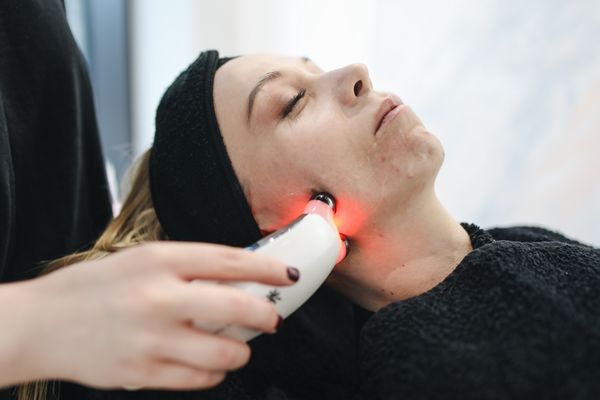
- Low-level laser therapy (LLLT) — complementary mechanism
Pricing
$850 per session. Package of 6: $4,500 (save $600). I recommend starting with a package for the best results.
The Honest Takeaway
Hair restoration requires patience and consistency. There's no overnight fix. But for patients with early-to-moderate thinning who are willing to commit to a treatment plan, scalp microneedling with growth factors is one of the most evidence-supported non-surgical options available. I'll give you an honest assessment of what's realistic for your specific situation during your consultation.