What a Chemical Peel Actually Does
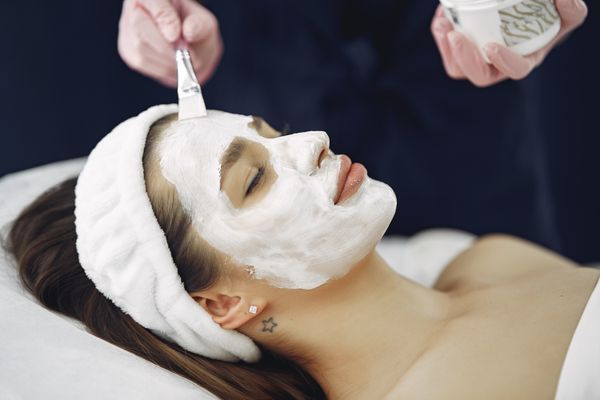
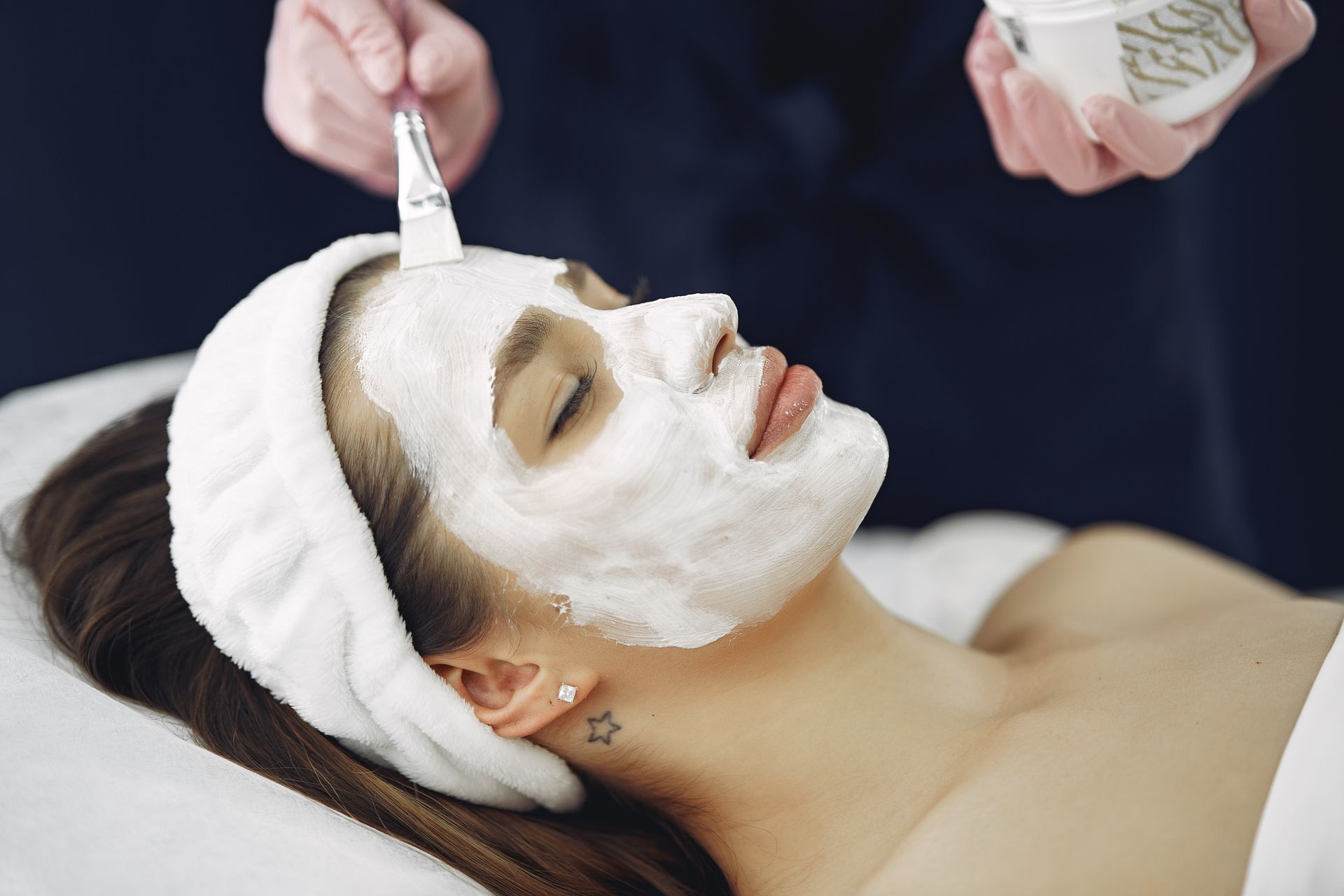
A chemical peel applies a controlled acid solution to the skin, causing the outer layers to exfoliate and eventually peel off. What grows back is smoother, more even, and has better texture. Think of it as a reset for your skin's surface.
The magic isn't just in the peeling — it's in the healing response. Controlled injury triggers collagen production, accelerates cell turnover, and addresses pigmentation at the source.
Types of Peels I Offer
Light Peels (Lunchtime Peels)
Using glycolic or salicylic acid, these target the outermost layer (epidermis). Minimal downtime — maybe 2–3 days of mild redness and flaking. Great for maintenance, mild texture issues, and keeping skin fresh between deeper treatments.
Medium Peels
TCA (trichloroacetic acid) peels penetrate to the upper dermis. These address sun damage, moderate pigmentation, fine lines, and acne scarring. Expect 5–7 days of visible peeling. Results are more dramatic than a light peel.
Deep Peels
Phenol peels (rarely used in my practice) reach the mid-dermis. These require significant downtime (1–2 weeks) and carry more risk. For most patients, a series of medium peels achieves similar results with less risk.
Living in San Diego: Sun and Peels
This is critical. San Diego's sun intensity means post-peel care requires extra diligence:
- SPF 50+ daily — reapply every 2 hours, even on cloudy days
- Wide-brimmed hat when outdoors for more than 15 minutes
- Avoid direct sun for at least 1 week post-peel
- Consider timing — fall and winter treatments give you more flexibility
Post-inflammatory hyperpigmentation (PIH) is the biggest risk in our sunny climate, especially for patients with darker skin tones. I assess your Fitzpatrick skin type and adjust peel depth accordingly.
Who Benefits Most
Chemical peels work well for:
- Sun damage and photoaging
- Mild to moderate hyperpigmentation
- Acne-prone skin (salicylic peels)
- Fine lines and rough texture
- Dull, tired-looking skin that needs a refresh
Who Should Be Cautious
- Melasma patients: Aggressive peels can actually worsen melasma. I use lower concentrations and shorter application times for melasma-prone skin, and may pre-treat with hydroquinone or a retinoid.
- Recent isotretinoin (Accutane) users: Wait at least 6 months before any peel.
- Active cold sores or skin infections: Peeling over active lesions risks spreading.
- Patients of color: Not a contraindication — but requires a provider experienced in treating darker skin tones to minimize PIH risk.
How Many Peels Do You Need?
A single peel gives noticeable improvement. But like most skin treatments, a series delivers the best results. I typically recommend 3–6 light peels spaced 2–4 weeks apart, or 2–3 medium peels spaced 6–8 weeks apart.
Between peels, a good home care routine accelerates and extends your results. I'll recommend specific products based on your skin type and concerns.
Cost
Light peels start at $150. Medium peels range from $250–$500 depending on the formulation and treatment area. Package pricing is available for series treatments.
The Bottom Line
Chemical peels are one of the most effective, evidence-based treatments in aesthetic medicine. They've been used for decades because they work. The key is choosing the right peel depth, formulation, and timing for your specific skin. That's what a thorough consultation is for.